




Search Flags Unlimited
The Essential Guide to Canadian Flag Etiquette
Master Canadian Flag Etiquette! Learn the rules for display, carrying in processions, vertical hanging, and multi-flag arrangements to properly honour Canada’s national symbol.
The Canadian flag is more than just a piece of fabric, it's a symbol of our nation's values, heritage, and identity. Whether you're flying the flag at home, at work, or during a special event, knowing the proper etiquette shows respect for what it represents.
These guidelines have been refined over decades, reflecting our commitment to honoring our national symbol with dignity and care. Let's explore the essential rules that every Canadian should know.
1. The Canadian Flag Always Flies Highest
When it comes to displaying our national flag, height matters. No other flag should ever be flown higher than the Canadian flag.
The rule is simple and clear: the Canadian flag should be in the highest position. This principle applies whether you're flying flags at a business, a community center, or your own home.
Additionally, the Canadian flag should be the only flag on its pole. Sharing a pole diminishes its prominence and goes against established protocol. Give our maple leaf the solo spotlight it deserves!
2. The Rule of Three: Flying Multiple Flags
When displaying three flags together, positioning is everything. The Canadian flag claims the center spot, with the next most important flag to its left and the third flag to its right, all from the viewer's perspective. This arrangement creates a balanced, respectful display that properly honours our national symbol while acknowledging other flags. Think of it as a hierarchy of honour, with Canada at the heart.
3. How to Display Two or More National Flags
International events and diplomatic settings often require flying multiple national flags. When the Canadian flag appears alongside other countries' flags, each nation's banner should have its own pole of equal height. This shows mutual respect between nations.
Here's the key detail: position the Canadian flag to the left as viewed from the front. This placement maintains Canada's precedence on home soil while respecting other nations' symbols. It's a subtle but important detail that demonstrates both national pride and international courtesy.
Using separate poles of identical height prevents any appearance of one nation being subordinate to another.
4. How to Carry the Flag in Processions
Whether it's a parade, ceremony, or formal procession, the Canadian flag has a designated spot. Carry it on the marching right, that's the left side as seen by spectators watching from the front.
When multiple flags are carried together in a line, the Canadian flag should lead from the front and center position. This prominent placement ensures our national symbol is clearly visible and properly honoured during the procession, helping create orderly, respectful displays during community events and official ceremonies.
5. Setting Up Speaker Platforms and Official Settings
During speeches, presentations, and official gatherings, flag placement on the platform follows a specific rule. The flag should stand on the speaker's right side as they face their audience. From the spectator's view, this places the flag on the left, which is consistent with other etiquette guidelines.
This positioning ensures the flag is visible throughout the presentation while maintaining the traditional left-side placement that spectators expect, showing respect for our national symbol in formal settings.
6. Wall Displays and Crossed Poles
Hanging a flag on a wall requires attention to detail. The flag must hang completely flat against the surface, with no wrinkles or bunching. This clean presentation shows respect and creates visual impact.
When poles are crossed in a display, the Canadian flag should appear on the viewer's left, with its pole positioned in front of any other pole. This layering creates a subtle depth that emphasizes our flag's precedence without overt aggression.
These arrangements often appear in lobbies, reception areas, and community halls. Getting them right demonstrates professionalism and attention to our national traditions.
7. Yardarm Displays and Three-Flag Arrangements
Some flagpoles feature a yardarm, a horizontal crosspiece that allows multiple flags to be displayed. When flying three flags on a yardarm, the Canadian flag takes the left position as viewed by spectators from the front. This maintains consistency with other multi-flag display rules and ensures our national symbol receives proper prominence in this specific configuration.
8. Vertical Display: The Maple Leaf Direction
Sometimes space or design requirements call for hanging the flag vertically rather than horizontally. When displaying the Canadian flag in this orientation, pay close attention to the maple leaf.
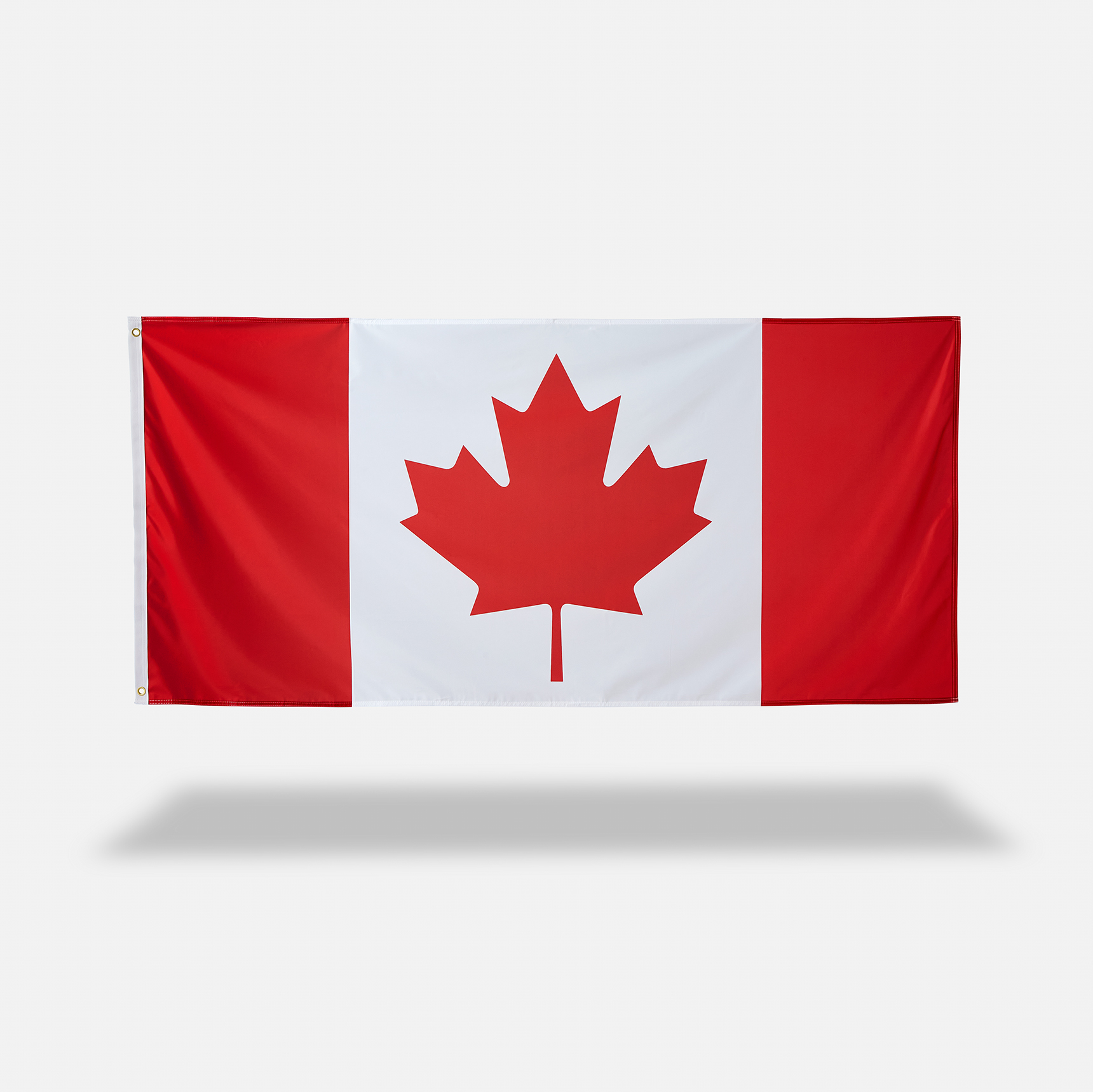
The point of the maple leaf should aim to the left, with the stem pointing right, all from the spectator's viewpoint. This specific orientation maintains the flag's integrity even when rotated 90 degrees.
Getting this detail right is a small touch that makes a big difference in how professional and respectful your display appears.
Additional Resources and Final Thoughts
These guidelines apply specifically to flying the Canadian flag within Canada. They've been developed over 60 years of our flag's history, refined through practice and tradition. Following them demonstrates respect for our national symbol and the values it represents.
Whether you're flying the flag daily or for special occasions, these practices help preserve the dignity and meaning of our national symbol. For more detailed information or specific situations, the resources above provide authoritative guidance rooted in Canadian heritage and tradition.
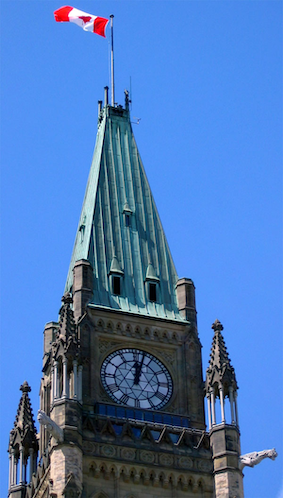
Photo by Dilbert~commonswiki. Source: Wikimedia Commons. Released into the Public Domain.

Boost your brand awareness and sales with custom flags and banners! Learn how to use feather flags for storefront appeal, seasonal promotions, and high-impact event marketing.
Master custom flag artwork prep! Learn essential steps: using the right template, ideal file formats (.ai, .eps), setting CMYK color space, and the 100 PPI resolution rule for perfect printing.
Celebrate the 60th anniversary of the Canadian Flag! Discover the history of its 1965 adoption, the meaning behind the 11-point maple leaf, and why red and white became our national colors.
Subscribe to our newsletter


Barrie, ON L4M 4A5 Canada