Shopping for:






Search Flags Unlimited
Marketing Articles
Thank you! Your submission has been received!
Oops! Something went wrong while submitting the form.
September 1, 2026
Canada & International Flags
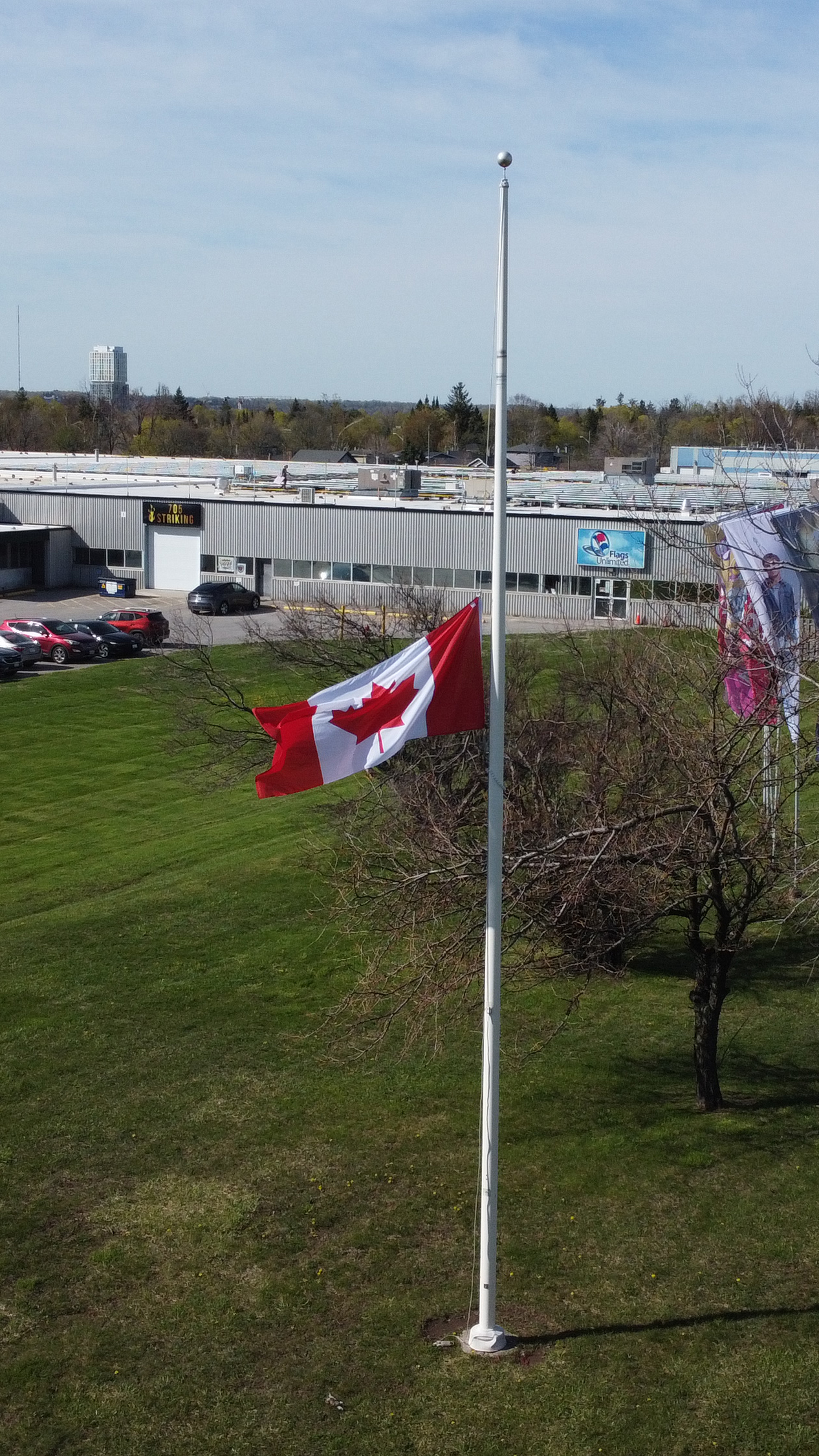
Half-masting the National Flag of Canada: Protocol, Etiquette, and Meaning

December 12, 2025
Custom Advertising Flags
How to Submit Your Artwork to Flags Unlimited
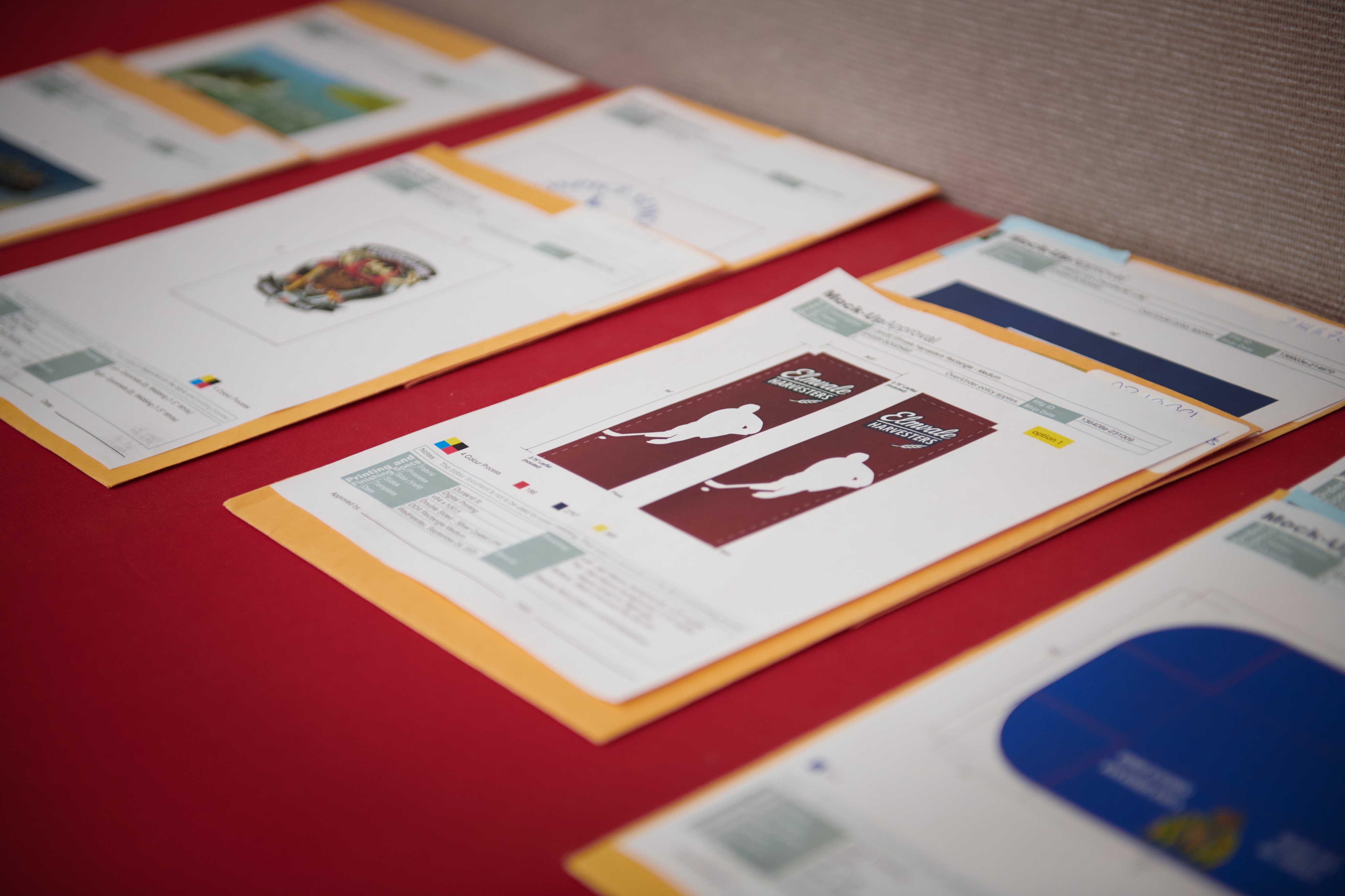
How to Submit Your Artwork Once your artwork is properly prepared and meets all technical specifications, the final step is submitting your files to Flags Unlimited for production. We offer flexible submission methods to accommodate different file sizes and workflow preferences, ensuring your artwork reaches our production team quickly and securely.Choosing the right submission method depends primarily on your file size. Small to medium files can be conveniently emailed, while larger files require our secure file transfer service. Regardless of which method you choose, always include complete information about your project to prevent processing delays.File Submission ChecklistBefore hitting send on your artwork submission, take a moment to review this comprehensive checklist. Ensuring all elements are included and properly prepared prevents delays, reduces back-and-forth communication, and moves your project smoothly into production. A complete submission package helps our production team deliver exactly what you envision.All fonts outlined or converted to paths: Text elements will not reflow or change appearanceLinked images included in submission folder: No missing link errors will occur during productionColours specified using Pantone Coated values: colour accuracy and reproduction will be predictableFile format matches requirements (.ai, .eps, .pdf, .psd, or .tif): Production equipment can process files without conversionResolution set to 100 PPI at 100% actual size: Print quality will be sharp without excessive file sizeSpecial effects removed (shadows, transparencies, overprints): No unexpected visual anomalies will appear in final printSales rep email and job reference included: Files will be routed correctly and matched to your orderCommon Artwork Mistakes to AvoidEven experienced designers sometimes overlook critical details when preparing artwork for large-format flag and banner printing. Learning from common mistakes helps you avoid delays, additional costs, and disappointing results. Being aware of these frequent pitfalls ensures your artwork sails through production smoothly the first time.Avoiding these common errors demonstrates professional expertise and respect for the production process. When in doubt, consult the technical requirements or reach out to your sales representative for clarification. It's always better to ask questions before submission than to deal with production issues afterward.Ready to Create Amazing Flags and Banners?You now have all the knowledge needed to prepare and submit professional-quality artwork for custom flags and banners. By following these guidelines—using the correct templates, preparing files in the proper formats, managing colours accurately, maintaining appropriate resolution, and submitting complete packages—you'll ensure beautiful, vibrant results that exceed expectations.Remember, not all artwork is created equally! These recommendations optimize your files for the best possible printing outcomes. Quality preparation on the front end translates directly to stunning flags and banners that represent your brand with pride. Whether you're creating promotional banners for a major event, branded flags for your business location, or custom designs for special occasions, proper artwork preparation is the foundation of success.Need assistance or have questions? The Flags Unlimited team is here to help. Don't hesitate to contact your sales representative for guidance, template access, or technical support. We're committed to helping you achieve perfect results every time.
December 11, 2025
Custom Advertising Flags
How to Prepare Your Artwork for Custom Banners and Flags
Creating stunning custom flags and banners starts with properly prepared artwork. Whether you're a marketing manager launching a new campaign, a graphic designer crafting the perfect visual, or a small business owner promoting your brand, understanding the technical requirements for flag and banner production is essential. Let's dive into the essential steps that will transform your creative vision into high-quality printed products that stand out and make an impact.Start with the Right TemplateBefore you begin designing, the most critical first step is downloading and using the correct template for your specific flag or banner product. Each custom flag type has its own unique template that includes the exact dimensions, bleed areas, safe zones, and technical specifications required for production. Using the proper template from the start prevents costly mistakes, eliminates the need for last-minute revisions, and ensures your design elements are positioned correctly.Templates serve as your blueprint, showing you where text and important graphics should be placed to avoid being cut off or appearing in hemmed areas. File Format RequirementsSubmitting your artwork in the correct file format is absolutely essential for successful production. Professional flag and banner printing requires vector-based files or high-resolution raster images that maintain quality at large sizes. The industry-standard formats ensure compatibility with production equipment and preserve your design's integrity throughout the printing process.Remember, the file format you choose impacts the quality and printability of your final product. Vector formats like .ai and .eps are ideal for logos, text, and graphics that need to scale without losing quality. Raster formats like .psd and .tif work best for photographic imagery but require careful attention to resolution requirements.Colour Management for Optimal ResultsWorking in CMYK Colour SpaceProper colour management is critical for achieving the vibrant, accurate colours you expect in your finished flags and banners. All vector artwork should be designed within a CMYK colour space, specifically using the U.S. Web Coated SWAP V2 profile. This industry-standard colour space ensures your colours translate predictably from screen to print.When assigning colours to your design elements, use coated Pantone values whenever possible. Pantone colours provide a standardized reference that helps printers match your intended colours more accurately. This is especially important for brand colours that must remain consistent across all marketing materials.Set Colour Mode to CMYK: Configure your design software to work in CMYK from the beginningApply Pantone Coated Values: Select colours from the Pantone Coated colour library for accuracyAvoid Colour Mixing: Never blend Pantone spot colours with CMYK process coloursProof Your Colours: We are able to provide colour samples or proofs before final production, given enough lead time!Resolution RequirementsResolution is one of the most frequently misunderstood aspects of preparing artwork for large-format printing. Unlike standard desktop printing, flags and banners are viewed from a distance, which changes the resolution requirements significantly. Creating your artwork at the correct resolution ensures sharp, clear imagery without unnecessarily large file sizes that are difficult to work with and transfer.Working at 100 PPI at actual size strikes the perfect balance between image quality and file manageability. Higher resolutions like 300 PPI, while standard for brochures and business cards, create unnecessarily large files for flag printing without providing visible quality improvements at typical viewing distances. Trust the 100 PPI guideline, as it's specifically calibrated for large-format outdoor display materials.Essential Preparation TipsBeyond the basic technical specifications, several critical preparation steps ensure your artwork prints flawlessly. Taking time to properly prepare your files demonstrates attention to detail and prevents costly reprints or delays.Need assistance or have questions? The Flags Unlimited team is here to help. Don't hesitate to contact your sales representative for guidance, template access, or technical support. We're committed to helping you achieve perfect results every time.
December 10, 2025
Custom Advertising Flags
How to Boost your Marketing Impact with Custom Flags and Banners
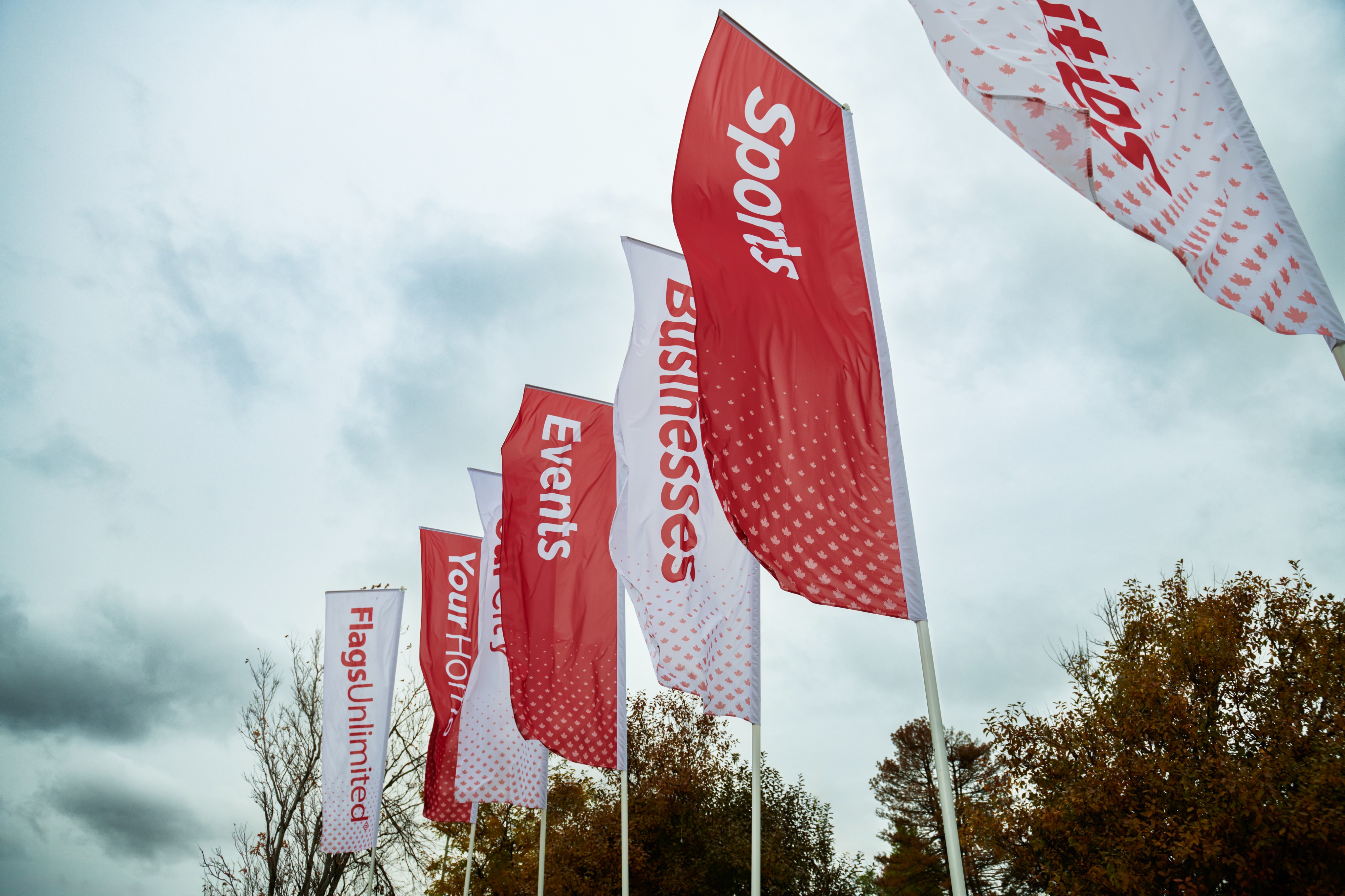
Elevate Brand Awareness with Eye-Catching Outdoor FlagsCustom feather flags and fabric banners prominently display your logo and brand colors, making your business instantly recognizable. Position them in high-traffic areas such as storefronts, sidewalks, or event entrances, to capture attention and reinforce brand identity.Pro tip: Use bold, high-contrast colours and keep messaging simple (5-6 words max) for quick readability by passing customers.Drive Seasonal Activations and PromotionsFlags and banners are perfect for highlighting seasonal sales, holiday specials, or limited-time offers that align with your marketing calendar. Rotating your designs keeps your storefront or business dynamic and engaging throughout the year.Amplify Event Marketing and Product LaunchesEnhance Storefront Appeal and Local VisibilityA well-placed banner or feather flag outside your business makes your location more inviting and easier to find. This is especially important for new businesses or those in busy commercial areas where signage competition is fierce.Pro tip: Combine flags with sidewalk signs and or anb outdoor tent for special events to create a cohesive, professional look that draws in customers.Maximize Marketing Impact with Versatile, Durable FlagsCost-Effective: Custom flags deliver high visual impact at a fraction of the cost of permanent signage or digital advertising.Weather-Resistant: Built to withstand outdoor conditions, quality flags maintain their vibrant appearance through sun, wind, and rain.Portable: Easy to transport and set up, flags work equally well for pop-up events, seasonal campaigns, or daily storefront use.Dynamic Presence: Their motion in the wind naturally attracts attention, creating engagement that static signs simply can't match.Pro tip: Invest in double-sided flags to maximize visibility from multiple directions and store them safely when not in use to extend lifespan.Make Custom Flags and Banners a Core Part of Your Marketing StrategyIncorporating custom advertising flags and banners into your marketing calendar adds a vibrant, flexible tool to engage customers offline. Whether promoting seasonal deals, events, or simply boosting brand visibility, these flags deliver high impact at a low cost.Start planning your next campaign with custom feather flags or fabric banners to stand out, attract more foot traffic, and activate your audience effectively. With their proven versatility and eye-catching appeal, they're an investment that keeps working for your business.Learn more about Industry Solutions
December 10, 2025
Canada & International Flags
The Essential Guide to Canadian Flag Etiquette
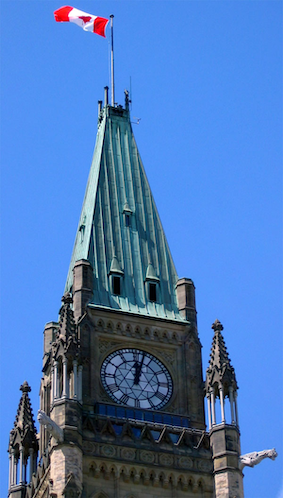
The Canadian flag is more than just a piece of fabric, it's a symbol of our nation's values, heritage, and identity. Whether you're flying the flag at home, at work, or during a special event, knowing the proper etiquette shows respect for what it represents. These guidelines have been refined over decades, reflecting our commitment to honoring our national symbol with dignity and care. Let's explore the essential rules that every Canadian should know.1. The Canadian Flag Always Flies HighestWhen it comes to displaying our national flag, height matters. No other flag should ever be flown higher than the Canadian flag. The rule is simple and clear: the Canadian flag should be in the highest position. This principle applies whether you're flying flags at a business, a community center, or your own home. Additionally, the Canadian flag should be the only flag on its pole. Sharing a pole diminishes its prominence and goes against established protocol. Give our maple leaf the solo spotlight it deserves!2. The Rule of Three: Flying Multiple FlagsWhen displaying three flags together, positioning is everything. The Canadian flag claims the center spot, with the next most important flag to its left and the third flag to its right, all from the viewer's perspective. This arrangement creates a balanced, respectful display that properly honours our national symbol while acknowledging other flags. Think of it as a hierarchy of honour, with Canada at the heart.3. How to Display Two or More National FlagsInternational events and diplomatic settings often require flying multiple national flags. When the Canadian flag appears alongside other countries' flags, each nation's banner should have its own pole of equal height. This shows mutual respect between nations.Here's the key detail: position the Canadian flag to the left as viewed from the front. This placement maintains Canada's precedence on home soil while respecting other nations' symbols. It's a subtle but important detail that demonstrates both national pride and international courtesy.Using separate poles of identical height prevents any appearance of one nation being subordinate to another. 4. How to Carry the Flag in ProcessionsWhether it's a parade, ceremony, or formal procession, the Canadian flag has a designated spot. Carry it on the marching right, that's the left side as seen by spectators watching from the front.When multiple flags are carried together in a line, the Canadian flag should lead from the front and center position. This prominent placement ensures our national symbol is clearly visible and properly honoured during the procession, helping create orderly, respectful displays during community events and official ceremonies.5. Setting Up Speaker Platforms and Official SettingsDuring speeches, presentations, and official gatherings, flag placement on the platform follows a specific rule. The flag should stand on the speaker's right side as they face their audience. From the spectator's view, this places the flag on the left, which is consistent with other etiquette guidelines.This positioning ensures the flag is visible throughout the presentation while maintaining the traditional left-side placement that spectators expect, showing respect for our national symbol in formal settings.6. Wall Displays and Crossed PolesHanging a flag on a wall requires attention to detail. The flag must hang completely flat against the surface, with no wrinkles or bunching. This clean presentation shows respect and creates visual impact.When poles are crossed in a display, the Canadian flag should appear on the viewer's left, with its pole positioned in front of any other pole. This layering creates a subtle depth that emphasizes our flag's precedence without overt aggression.These arrangements often appear in lobbies, reception areas, and community halls. Getting them right demonstrates professionalism and attention to our national traditions. 7. Yardarm Displays and Three-Flag ArrangementsSome flagpoles feature a yardarm, a horizontal crosspiece that allows multiple flags to be displayed. When flying three flags on a yardarm, the Canadian flag takes the left position as viewed by spectators from the front. This maintains consistency with other multi-flag display rules and ensures our national symbol receives proper prominence in this specific configuration.8. Vertical Display: The Maple Leaf DirectionSometimes space or design requirements call for hanging the flag vertically rather than horizontally. When displaying the Canadian flag in this orientation, pay close attention to the maple leaf.The point of the maple leaf should aim to the left, with the stem pointing right, all from the spectator's viewpoint. This specific orientation maintains the flag's integrity even when rotated 90 degrees.Getting this detail right is a small touch that makes a big difference in how professional and respectful your display appears.Additional Resources and Final ThoughtsThese guidelines apply specifically to flying the Canadian flag within Canada. They've been developed over 60 years of our flag's history, refined through practice and tradition. Following them demonstrates respect for our national symbol and the values it represents.Whether you're flying the flag daily or for special occasions, these practices help preserve the dignity and meaning of our national symbol. For more detailed information or specific situations, the resources above provide authoritative guidance rooted in Canadian heritage and tradition.Photo by Dilbert~commonswiki. Source: Wikimedia Commons. Released into the Public Domain.
December 5, 2025
Events
O Canada: Our Canadian Flag
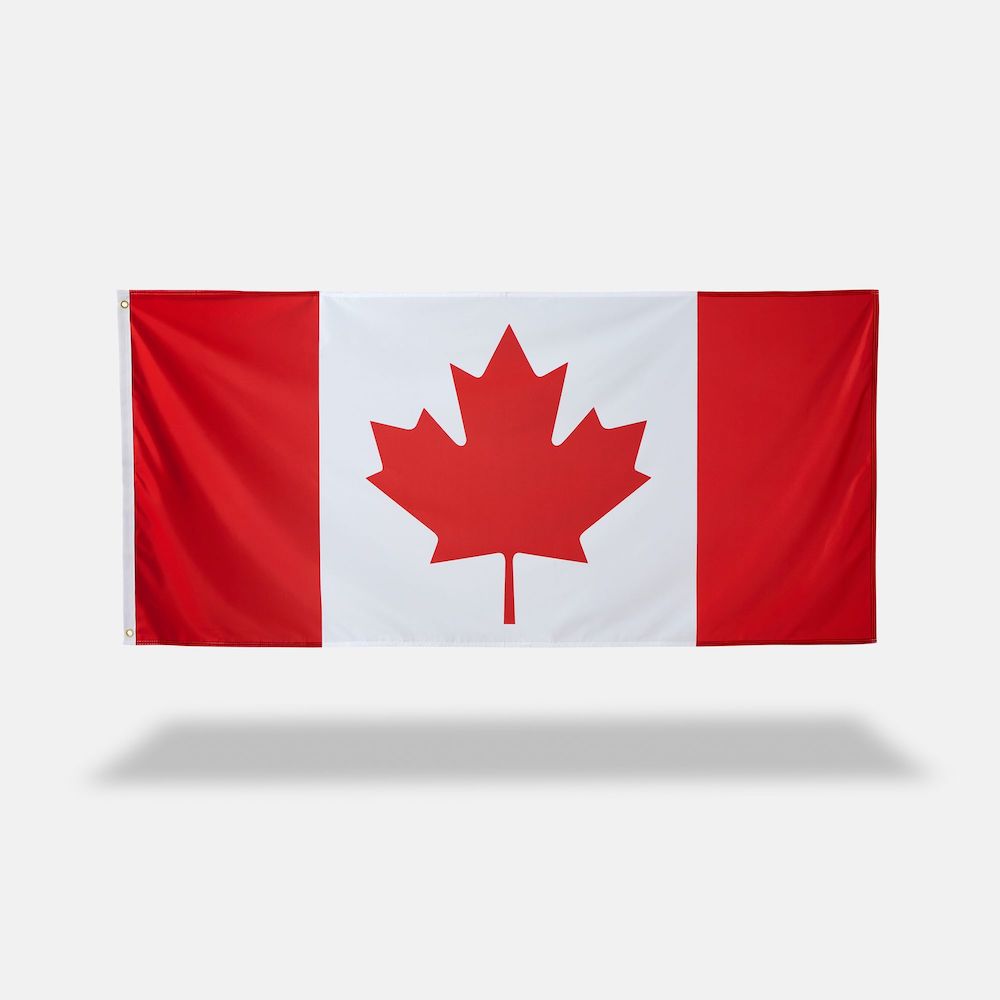
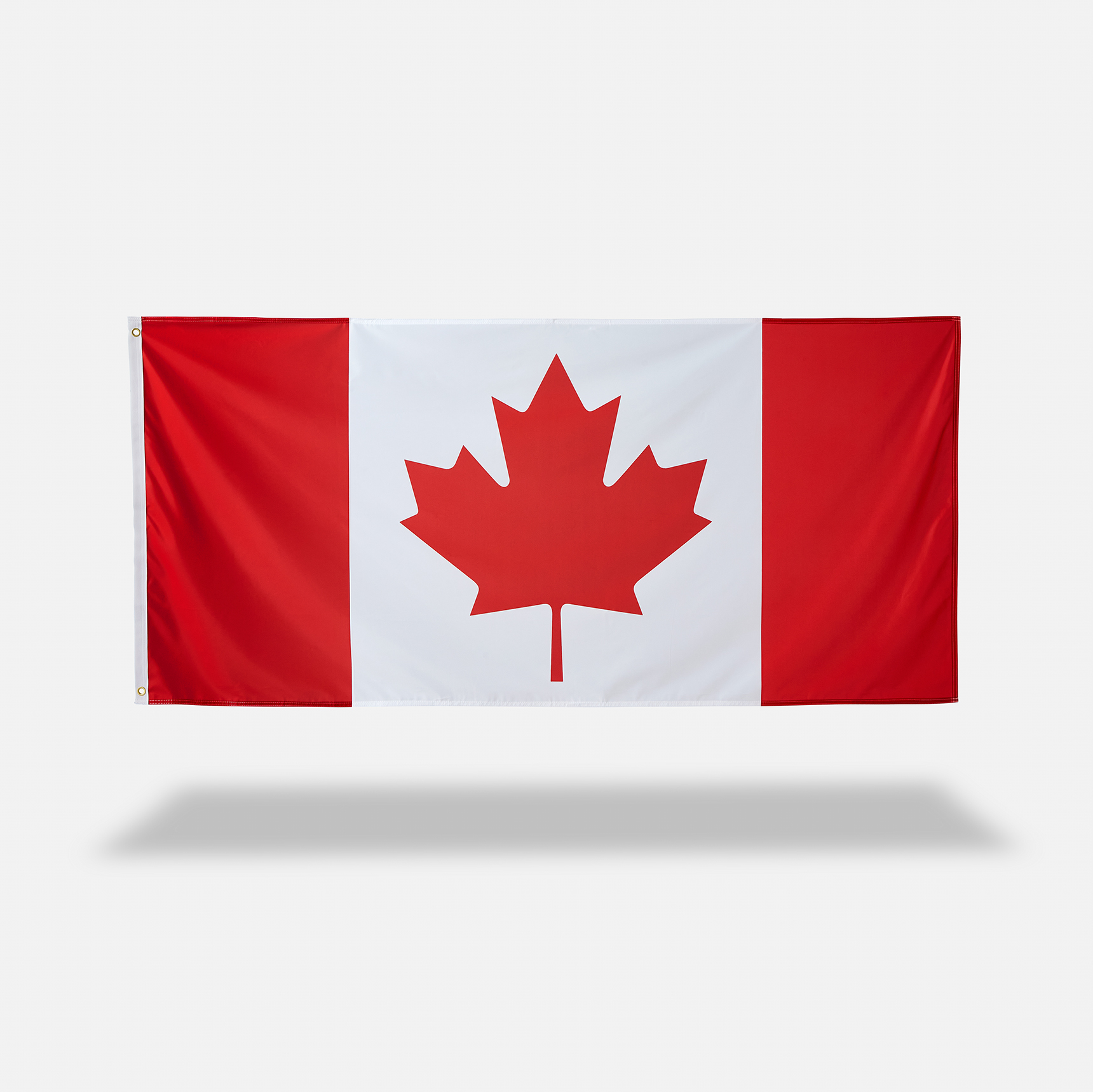
O Canada: Our Canadian FlagWhen did Canada first fly the current Canadian flag?2025 represented the 60th anniversary of our current Canadian flag.Image courtesy Library and Archives Canada/PA-142624The official inaugural ceremony for the new Canadian flag was held on Parliament Hill in Ottawa on February 16, 1965, with Governor General Georges Vanier, Prime Minister Lester B. Pearson, the members of the Cabinet and thousands of Canadians in attendance.On the stroke of noon, the Canadian Red Ensign—the flag bearing the British Union Jack and the shield of the royal arms of Canada—was lowered for the last time. In its place, the red and white maple leaf was raised.The crowd sang out with pride, “O Canada”, our national anthem, followed by “God Save the Queen”. Then came the memorable words spoken by the Honourable Maurice Bourget, which added further meaning to our Canadian Flag "The Flag is the symbol of the Nation’s unity, for it, beyond any doubt, represents the citizens of Canada without distinction of race, language, belief or opinion.”Source: Flags Unlimited Product Catalogue ArchivesThe Evolution of the Design: 13 Points to 11You might be surprised to learn that the flag we fly today isn't exactly the same as the very first prototype.The original design for the maple leaf actually featured 13 points. However, during wind tunnel testing, researchers discovered that the 13-point leaf became a blurry red blob when flapping in high winds. To ensure the leaf remained crisp and recognizable from a distance, the design was simplified to the iconic 11-point leaf we recognize today.What do the elements represent?The Maple Leaf: A symbol of Canadian identity since the 19th century, the stylized leaf represents our natural heritage and the strength of our people.The Colors: Red and white were proclaimed Canada’s official colors by King George V in 1921. Red is symbolic of prosperity and hope, while white represents the peace and tranquility of the North.Source: Canadian Flag Education CentreCanadians' renewed interest in the Canadian FlagFlags Unlimited has sold over 2 million Canadian flags since 2020, reflecting a powerful resurgence in national pride. Polls show a significant increase in pride among Canadians, with over 83% of Canadians in June 2025 indicating that they are “proud to be Canadian” in a poll conducted by research firm Leger.Today, the flag is more than just a government banner; it is a symbol of tolerance, inclusion, and a shared future. From homes and gardens to colleges and workplaces, the maple leaf continues to fly as a testament to the journey Lester B. Pearson began over six decades ago.Show your love of Canada, and fly your own Canadian flag!
364 Saint Vincent St.
Barrie, ON L4M 4A5 Canada
Barrie, ON L4M 4A5 Canada
Tel: 705-739-4100
Toll Free: 800-565-4100
Fax: 800-304-1499